
Hydraulic Cylinders and Jacking Systems: Elevate Your Operations with LONGLOOD
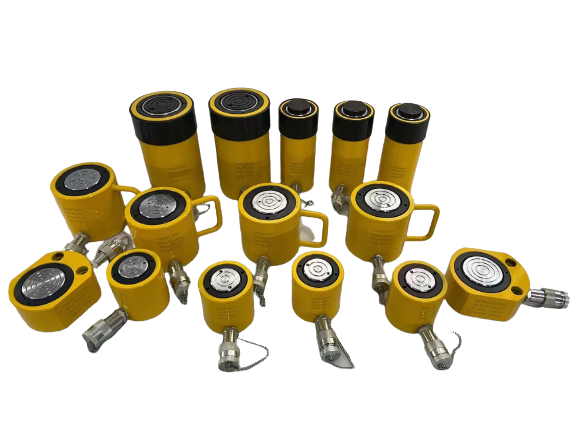
LONGLOOD’s extensive range of hydraulic cylinders and jacking systems, setting the standard for excellence in manufacturing. As a major industry player in China, we directly provide our customers worldwide with cutting-edge jacking and lifting solutions at factory-direct prices, ensuring affordability without compromising on quality.
Direct manufacturer of Hydraulic Cylinders, competitive factory-direct prices.
Sisällysluettelo
Different Types Of Hydraulic Cylinders LONGLOOD supplies
- Single-Acting Hydraulic Cylinders
LONGLOOD offers single-acting hydraulic cylinders, which are the simplest type. Nämä sylinterit kohdistavat hydraulista voimaa yhden portin kautta, tyypillisesti männän jatkamiseen. Paluuta lähtöasentoon helpottaa joko kuorman paino tai a sisäänrakennettu palautusjousi.
LONGLOOD tarjoaa kaksitoimisia hydraulisylintereitä, käyttämällä hydraulivirtausta sekä männän eteen- että sisäänvetämiseen. Varustettu kahdella liitäntäportilla, nämä sylinterit vaativat yhteensopivan pumpun, joka tarjoaa hydraulisen virtauksen molempiin suuntiin. Etuja ovat nopeampi ja kontrolloidumpi sisäänveto, joten ne sopivat sovelluksiin, jotka vaativat työntö- ja vetovoimia toistettavalla tarkkuudella.
- Hydraulisylinterit vetosovelluksiin
LONGLOODin hydraulisylinterit vetosovelluksiin on suunniteltu tehtäviin, kuten kaapelien ja tankojen kiristämiseen. Tyypillisesti yksitoiminen jousipalautteella.
LONGLOOD tarjoaa lukkomutterisylintereitä, ihanteellinen sovelluksiin, jotka vaativat pidennettyä kuorman pitoa. Tämä ominaisuus on käytettävissä eri sylinterityypeissä, mukaan lukien matala korkeus, kevyt, tai suuren vetoisuuden mallit.
- LONGLOODin onttomäntäiset hydraulisylinterit
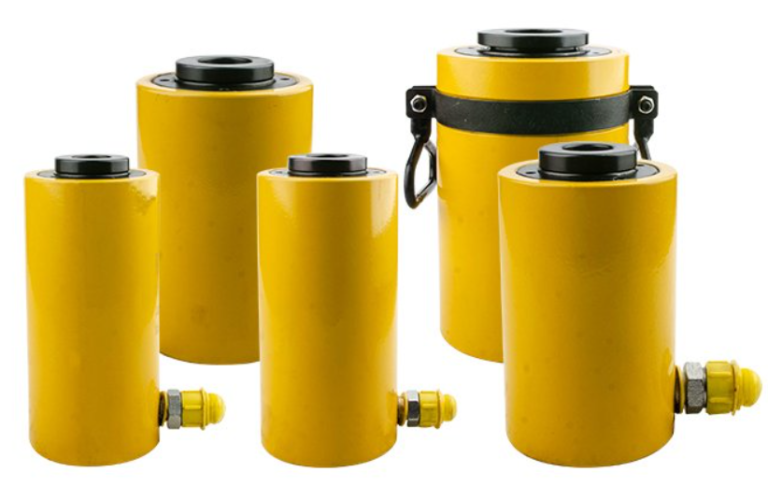
Tunnetaan myös keskireikäsylintereinä, tuottaa sekä veto- että työntövoimia. Sisältää sisäkierteen vedettävään esineeseen kiinnittämistä varten, he tulevat sisään yksitoiminen tai kaksitoiminen muunnelmia, teräs- tai alumiinirakenteet, ja se voi sisältää irrotettavat satulat ja teräspohjalevyt.
- Teleskooppiset hydraulisylinterit
LONGLOODin teleskooppiset hydraulisylinterit tarjoavat pidemmät iskumahdollisuudet ahtaissa tiloissa. Teleskooppinen toiminta mahdollistaa kuormien nostamisen pitemmälle ilman tilapäistä vajoamista. Teleskooppisylinteriä valittaessa, käyttäjien tulee harkita enimmäiskuormituskapasiteettia, joka pienenee venyessään.
- Kevyet hydraulisylinterit
LONGLOOD tarjoukset alumiiniset hydraulisylinterit sopii erilaisiin sovelluksiin. Kapasiteetin ja voiman yhdistäminen kevyempään painoon, alumiinisylinterit on helpompi kuljettaa ja sijoittaa. Kestää korroosiota, ne sopivat hyvin syövyttäviin ympäristöihin, ja niitä on saatavana vakiokokoonpanoina karkaistun teräksen satuloilla ja pohjalevyillä.
- Raidetangon hydraulisylinterit
LONGLOODin raidetangon sylinterit on valmistettu päällyksellä, pohja, ja sylinterin tynnyri, joka on yhdistetty raidetangoilla. Nämä LONGLOODin tarjoukset tarjoavat kattavan valikoiman erilaisiin käyttövaatimuksiin.
Miksi käyttää hydraulilukkoja
Hydrauliset lukot, tunnetaan myös hydraulisina lukitusmekanismeina, niitä käytetään erilaisissa sovelluksissa tiettyihin tarkoituksiin. Tässä on joitain yleisiä syitä hydraulisten lukkojen käyttöön:
Kuorman pito:
Hydraulisia lukkoja käytetään usein pitämään kuormia kiinteässä asennossa. Käyttämällä hydraulista lukitusmekanismia, järjestelmä voi säilyttää vakauden ja estää ei-toivotut liikkeet tai ajautumisen.
Turvallisuus:
Sovelluksissa, joissa turvallisuus on kriittinen huolenaihe, hydrauliset lukot estävät tahattoman liikkeen. Tämä on erityisen tärkeää tilanteissa, joissa hydraulilaitteiden lähellä saattaa olla ihmisiä tai työntekijöitä.
Paikannustarkkuus:
Hydraulisia lukkoja käytetään komponenttien tai järjestelmien tarkkaan sijoitteluun. Lukitsemalla tietyt elementit hydraulisesti, se varmistaa koneiden tai työkalujen sijoittelun ja kohdistuksen tarkkuuden.
Energiansäästö:
Hydrauliset lukot voivat edistää energiansäästöä hydraulijärjestelmissä. Lukitsemalla sylinterin tiettyyn asentoon, se eliminoi tarpeen jatkuvasti syöttää hydraulipainetta tämän asennon ylläpitämiseksi, mikä johtaa energiansäästöön.
Hätäjarrujärjestelmät:
Hydrauliset lukot on integroitu joihinkin hätäjarrujärjestelmiin. Vian tai hätätilanteen sattuessa, hydraulinen lukko voi lukittua liikkeen pysäyttämiseksi ja lisävaurioiden tai loukkaantumisen estämiseksi.
Raskaan kuorman käsittely:
Sovelluksissa, joissa raskaita kuormia on nostettava tai käsiteltävä, Hydrauliset lukot tarjoavat tavan pitää kuorma turvallisesti paikallaan ilman jatkuvaa hydraulipainetta.
Hallittu liike:
Hydrauliset lukot edistävät ohjattua ja säädeltyä liikettä hydraulijärjestelmissä. Ne varmistavat, että liikkeet tapahtuvat tarkasti eivätkä ulkopuoliset voimat vaikuta niihin.
Vähentynyt hydraulijärjestelmän vuoto:
Hydraulisia lukkoja käyttämällä, jatkuvan hydraulipaineen tarve tietyn asennon ylläpitämiseksi on eliminoitu. Tämä voi vähentää hydraulijärjestelmän vuotojen riskiä ja edistää järjestelmän yleistä tehokkuutta.
Driftin estäminen:
Hydrauliset lukot estävät tehokkaasti ajautumista, mikä viittaa hitaaseen, hydraulisten toimilaitteiden tahaton liikkuminen sisäisen vuodon vuoksi. Lukitus varmistaa, että toimilaite pysyy halutussa asennossa ajautumatta.
Parempi vakaus raskaissa laitteissa:
Raskaissa koneissa, kuten nostureissa, kaivinkoneet, tai kuormaajat, hydrauliset lukot lisäävät vakautta nosto- tai lastausoperaatioiden aikana. Ne auttavat estämään äkillisiä liikkeitä tai sortumista, jotka voivat olla vaarallisia.
On tärkeää huomata, että hydraulisten lukkojen käyttö riippuu sovelluksen erityisvaatimuksista. Päätös hydraulisten lukkojen liittämisestä järjestelmään perustuu tekijöihin, kuten turvallisuusmääräyksiin, tarkkuusvaatimukset, kuormitusominaisuudet, ja toiminnalliset näkökohdat.
Kuinka tunnistaa hydraulinen leikkuri ?
Hydraulisylinterin tunnistamiseen kuuluu sen fyysisten ominaisuuksien tutkiminen, merkinnät, ja tekniset tiedot.
Oppaat, jotka auttavat sinua tunnistamaan hydraulisylinterin:
Lääkärintarkastus
Koko ja muoto: Mittaa sylinterin fyysiset mitat, mukaan lukien reiän halkaisija, tangon halkaisija, ja kokonaispituus. Nämä tiedot auttavat määrittämään sylinterin koon.
Asennustyyli: Huomioi asennustyyli, joka voi olla clevis, laippa, risteys, tai muita kokoonpanoja. Tämä on ratkaisevan tärkeää sylinterin kiinnitystavan ymmärtämiseksi.
Sylinterin tekniset tiedot
Käyttöpaine: Tunnista sylinterin suurin käyttöpaine. Nämä tiedot ovat tärkeitä sen varmistamiseksi, että vaihtosylinteri täyttää järjestelmän vaatimukset.
Reiän ja tangon halkaisija
Vahvista reiän halkaisija (sylinterin sisähalkaisija) ja tangon halkaisija (tangon ulkohalkaisija). Nämä tekniset tiedot vaikuttavat sylinterin voima- ja nopeusominaisuuksiin.
Iskun pituus
Määritä iskun pituus, mikä on suurin matka, jonka sauva voi kulkea sylinterissä ja sieltä ulos.
Asennuskokoonpano
Päätykiinnittimet: Tarkista sylinterin päätykiinnikkeet tai kiinnityskohdat. Huomaa kiinnikkeiden tyyppi, kuten clevis, laippa, tai nivelkiinnikkeet. Tämä auttaa tunnistamaan sylinterin käyttökohteen.
Tangon pään ominaisuudet
Tangon pään kiinnikkeet: Tarkista, onko tangon päässä kiinnikkeitä tai ominaisuuksia, kuten silmät tai haarukat. Tämä voi tarkoittaa tiettyjä toimintoja tai sovelluksia.
Tiivisteen tyyppi
Tiivisteet ja tiivisteet: Tarkasta sylinterin tiivisteet ja tiivisteet. Erilaisia tiivisteitä, kuten tankotiivisteet ja männän tiivisteet, palvelevat tiettyjä tarkoituksia ja voivat tarjota näkemyksiä sylinterin suunnittelusta.
Tarkista kulumisen tai vaurioiden varalta
Käytä kuvioita: Etsi kulumiskuvioita tangosta ja sylinterin rungosta. Liiallinen kuluminen tai vauriot voivat viitata sylinterin toiminnassa tai huollossa oleviin ongelmiin.
11 Oikean hydraulisylinterin valintaohjeet
Vaihe 1: Määritä sovellusvaatimukset:
Ymmärrä selvästi sovelluksen vaatimukset, kantavuus mukaan lukien, iskun pituus, toimintaympäristö, ja toiminnan nopeus.
Määritä kuormitus- ja voimavaatimukset:
Laske voima tai kuorma, joka hydraulisylinterin on kestettävä. Varmista, että valitulla sylinterillä on riittävä kantavuus sovellukseen.
Vaihe 2: Valitse sylinterityyppi:
Harkitse hydraulisylinterin tyyppiä sovelluksesi tarpeiden mukaan. Yleisiä tyyppejä ovat yksitoimiset, kaksitoiminen, teleskooppinen, ja kuten edellä mainitut tyypit. Jokaisella tyypillä on erityisiä etuja ja rajoituksia.
Vaihe 3:Harkitse käyttöympäristöä:
Arvioi ympäristöolosuhteet, joissa hydraulisylinteri toimii. Tekijät, kuten lämpötila, kosteus, ja altistuminen syövyttäville aineille voi vaikuttaa materiaalien ja pinnoitteiden valintaan.
Vaihe 4:Määritä iskun pituus:
Määritä tarvittava iskun pituus, mikä on etäisyys, jonka hydraulisylinteri tarvitsee liikkua. Varmista, että valittu sylinteri tarjoaa tarvittavan iskun sovelluksen vaatimusten täyttämiseksi.
Vaihe 5:Arvioi nopeusvaatimukset:
Ota huomioon nopeus, jolla hydraulisylinterin on toimittava. Eri sovellukset voivat vaatia erilaisia nopeusominaisuuksia, ja sylinterin suunnittelun tulee vastata näihin vaatimuksiin.
Vaihe 6:Tarkista asennusvaihtoehdot:
Arvioi hydraulisylinterille käytettävissä oleva tila ja asennusvaihtoehdot. Valitse sylinterimalli, joka sopii tilan rajoituksiin ja tarjoaa sopivat asennuskokoonpanot.
Vaihe 7: Valitse sylinterin materiaali:
Valitse sylinterin materiaali erityisten ympäristöolosuhteiden ja sen käsittelemän kuorman tyypin perusteella. Yleisiä materiaaleja ovat teräs, ruostumaton teräs, ja alumiinia, jokaisella on omat etunsa.
Vaihe 8: Tarkista tiiviste- ja laakerimateriaalit:
Kiinnitä huomiota hydraulisylinterissä käytettyihin tiivisteisiin ja laakereihin. Varmista, että ne ovat yhteensopivia hydraulinesteen kanssa ja kestävät käyttöolosuhteet vuotojen ja ennenaikaisen kulumisen estämiseksi.
Vaihe 9: Harkitse sylinterin ominaisuuksia:
Arvioi lisäominaisuuksia, kuten vaimennus hallittua hidastamista varten, asennon palautelaitteet, ja tankojen pinnoitteet parantavat kestävyyttä. Valitse ominaisuuksia, jotka parantavat hydraulisylinterin yleistä suorituskykyä ja pitkäikäisyyttä.
Vaihe 10: Tarkista sertifiointi ja standardit:
Varmista, että hydraulisylinteri on alan standardien ja sertifikaattien mukainen. Tämä varmistaa, että se täyttää turvallisuus- ja suorituskykyvaatimukset.
Pyydä ohjeita LONGLOODilta, olemme johtavia suuren vetoisuuden hydraulisylinterien valmistajia ja toimittajia. Voimme tarjota asiantuntemusta, suosittele sopivia vaihtoehtoja hakemuksesi perusteella, ja auttaa kaikissa erityisissä räätälöintitarpeissa.
Vaihe 11: Budjettinäkökohdat:
Ota huomioon budjettirajoitteet ja vertaa erilaisia hydraulisylinterivaihtoehtoja kustannustehokkuuden ja pitkän aikavälin luotettavuuden perusteella.
Ottamalla nämä tekijät huolellisesti huomioon ja neuvottelemalla myyntiasiantuntijoidemme kanssa, voit valita sopivan hydraulisylinterin, joka vastaa sovelluksesi erityistarpeita, varmistaa optimaalisen suorituskyvyn ja pitkän käyttöiän. Jos sinulla on kysyttävää, ota meihin yhteyttä.
Oppaita hydraulisylinterin ja pumpun yhdistämisestä?
Perusasioiden ymmärtäminen
Hydraulijärjestelmän perusteet:
Hydraulijärjestelmä koostuu komponenteista, kuten pumpuista, sylinterit, venttiilit, ja letkut. Pumppu tuottaa hydraulipainetta, joka välittyy nesteen kautta sylinterin käynnistämiseksi.
Käyttämämme hydraulipumpputyypit:
Mäntäpumput: Monimutkaisempi kuin hammaspyöräpumppu, kykenee korkeampiin paineisiin, ja soveltuu raskaaseen käyttöön.
Hydraulisylinterivaatimusten määrittäminen:
Määritä sovellusvaatimukset:
Ymmärrä hakemuksesi erityisvaatimukset, kantavuus mukaan lukien, nopeus, ja iskun pituus.
Laske voima ja paine:
Laske kuorman siirtämiseen tarvittava voima hydraulisylinterin avulla. Paine määritetään sitten jakamalla voima sylinterin pinta-alalla.
Määritä sylinterin tyyppi:
Valitse sopiva hydraulisylinterityyppi (yksitoiminen, kaksitoiminen, jne.) sovellustarpeidesi perusteella.
Oikean pumpun valinta:
Käytämme mäntäpumppuja, jotka käsittelevät korkeampia paineita.
Harkitse virtausvaatimuksia:
Määritä tarvittava hydraulinesteen virtausnopeus, mitataan yleensä gallonoina minuutissa (GPM). Pumpun virtausnopeuden tulee täyttää tai ylittää järjestelmän vaatimukset.
Tarkista paineluokitus:
Varmista, että pumpun paine vastaa tai ylittää hydraulisylinterin vaatiman paineen. Ota huomioon turvatekijät ja mahdolliset painepiikit käytön aikana.
Tili tehokkuudesta:
Ota huomioon pumpun tehokkuus. Tehokkuus vaikuttaa hydraulipaineen tuottamiseen tarvittavan syöttötehon määrään. Korkeampi hyötysuhde vähentää energiankulutusta.
Arvioi pumpun koko
Valitse pumpun koko, joka vastaa sylinterin kokoa ja nopeusvaatimuksia. Pumpun tulee pystyä tuottamaan tarvittava virtaus ja paine sylinterin tehokkaan toiminnan varmistamiseksi.
Yhteensopivuuden varmistaminen:
Tarkista pumpun ja sylinterin liitäntä:
Varmista, että pumpulla ja hydraulisylinterillä on yhteensopivat liitännät, mukaan lukien varusteet, portit, ja lankakoot.
Harkitse nesteiden yhteensopivuutta:
Verify that the hydraulic fluid used is compatible with both the pump and the cylinder. Incompatible fluids can lead to seal degradation and system failure.
Seeking Professional from our Experts
We can provide valuable insights based on your specific application requirements.
Review System Dynamics:
Consider the overall system dynamics, including the interplay between the pump, sylinteri, and other components. System inefficiencies can arise from mismatched components.
Testing and Adjustment
Perform System Tests:
Conduct tests with the selected pump and cylinder to ensure they work harmoniously. Monitor system performance and make adjustments if needed.
Säännöllinen huolto
Implement a regular maintenance schedule to ensure the longevity and efficiency of the hydraulic system.
Documentation:
Keep Records:
Maintain records of the pump and cylinder specifications, toimintaparametreja, ja kaikki tehdyt muutokset. Tämä dokumentaatio on arvokas vianetsintää ja myöhempää käyttöä varten.
Johtopäätös
Hydraulisylinterin ja pumpun yhdistäminen edellyttää sovelluksen yksityiskohtaista ymmärtämistä, kuormitusvaatimukset, ja järjestelmädynamiikkaa. Noudattamalla näitä ohjeita ja pyytämällä ammattimaisia neuvoja myyntiasiantuntijoiltamme, voit varmistaa hyvin sovitetun ja tehokkaan hydraulijärjestelmän erityistarpeisiisi. Osta Kiinasta hydraulisylinterien valmistaja, kuten LONGLOOD, voisi säästää paljon aikaa.
Mihin onttoa hydraulisylinteriä käytetään?
Ontto hydraulisylinteri, tunnetaan myös ontona mäntäsylinterinä tai keskireikäsylinterinä, on eräänlainen hydraulisylinteri, jossa on ontto keskusta männän varren pituudella. Tällä mallilla on erityisiä sovelluksia, joissa onttoa tilaa käytetään tiettyyn tarkoitukseen. Tässä on onttojen hydraulisylintereiden yleisiä käyttötarkoituksia:
Kiristyssovellukset:
Onttoja hydraulisylintereitä käytetään usein sovelluksissa, joissa tarvitaan kiristys- tai vetovoimaa. Ontto tila mahdollistaa tangon tai kaapelin kulkemisen keskustan läpi, mahdollistaa sylinterin kohdistamisen voiman samalla kun se mukautuu jännitettävän materiaalin pituuteen.
Kaapeleiden ja johtojen kiristys:
Aloilla, kuten rakentamisessa, sillan rakentaminen, tai kaapelipiippurakenteet, onttoja hydraulisylintereitä käytetään kaapeleiden tai johtojen kiristämiseen. Kaapelit voidaan pujota sylinterin onton keskikohdan läpi, ja hydraulista painetta käytetään vaaditun jännityksen aikaansaamiseksi.
Putkien ja putkien taivutus:
Onttoja hydraulisylintereitä käytetään putkien taivutuskoneissa. Ontto tila mahdollistaa sylinterin kytkeytymisen putkeen tai putkeen samalla kun se ottaa huomioon taivutettavan materiaalin. Tämä on yleistä sovelluksissa, kuten metallien valmistuksessa ja rakentamisessa.
Materiaalin vetäminen ja pitäminen:
Ontot sylinterit sopivat sovelluksiin, joissa materiaaleja on vedettävä tai pidettävä paikallaan. Keskiaukko mahdollistaa materiaalien kulkemisen sylinterin läpi, helpottaa prosesseja, kuten vetämistä, pitämällä, tai kiristys.
Pelastus- ja pelastustoimet:
Hätätilanteissa, onttoja hydraulisylintereitä voidaan käyttää pelastus- ja pelastusoperaatioissa. Esimerkiksi, niitä voidaan käyttää raskaiden esineiden tai rakenteiden nostamiseen tai vetämiseen ahtaissa tiloissa, jossa ontto tila helpottaa kaapeleiden tai tankojen käyttöä.
Hydrauliset kiristimet:
Onttoja hydraulisylintereitä käytetään yleisesti hydraulisissa kiristysjärjestelmissä, joissa vaaditaan pulttien tai kiinnittimien tarkkaa ja hallittua kiristystä. Ontto rakenne mahdollistaa kiristystyökalun työntämisen sylinterin läpi, varmistaa tarkan ja tehokkaan kiristyksen.
Testaus ja kalibrointi:
Onttoja sylintereitä voidaan käyttää testaus- ja kalibrointisovelluksissa, joissa voimaa tai jännitystä on kohdistettava erilaisiin materiaaleihin tai komponentteihin. Keskiaukkoon mahtuu testauslaitteet tai -laitteet.
Hydrauliset tunkit läpireiällä:
Jotkut hydraulinostimet, erityisesti ne, jotka on suunniteltu erikoissovelluksiin, niissä on läpimenevä muotoilu. Tämä mahdollistaa monipuolisen käytön missä materiaaleja, työkaluja, tai komponentit voivat kulkea tunkin läpi käytön aikana.
Onttojen hydraulisylinterien tärkein etu on niiden monikäyttöisyys lisämateriaalien tai -rakenteiden sovittamiseen keskiaukon kautta, joten ne sopivat sovelluksiin, joissa kiristetään, vetämällä, tai materiaalien läpikulku on välttämätöntä.
Mikä on mäntä hydraulisylinterissä?
Hydraulisylinterissä, mäntä on kriittinen komponentti, joka liikkuu edestakaisin sylinterissä lineaarisen liikkeen aikaansaamiseksi. Mäntää kutsutaan yleisesti myös mäntäksi tai varreksi, ja se on tyypillisesti kiinnitetty männän päähän tai suoraan männän päähän. Ehdot “mäntä” ja “mäntä” käytetään usein vaihtokelpoisina hydraulisylintereiden yhteydessä.
Tässä ovat hydraulisylinterin männän tärkeimmät ominaisuudet ja toiminnot:
Rakentaminen:
Mäntä on sylinterimäinen varsi, joka ulottuu hydraulisylinterin toisesta päästä. Se on tyypillisesti valmistettu erittäin lujista materiaaleista, kuten teräksestä, kestämään hydraulisovelluksiin liittyvät voimat ja paineet.
Kiinnitys mäntään:
Joissakin hydraulisylintereissä, mäntä on kytketty männän päähän, muodostaen yhden yksikön. Mäntä ja mäntä toimivat yhdessä syrjäyttäen hydraulinestettä sylinterissä ja luoden lineaarista liikettä.
Tiivistys:
Mäntä on varustettu tiivisteillä, kuten O-renkaat tai muun tyyppiset hydrauliset tiivisteet, estämään hydraulinesteen vuotamista sylinterin sisä- ja ulkopuolelta. Oikea tiivistys on ratkaisevan tärkeää hydraulijärjestelmän tehokkuuden ja luotettavuuden kannalta.
Lineaarinen liike:
Koska hydraulista painetta kohdistetaan männän toiselle puolelle, se synnyttää voiman, joka saa männän liikkumaan lineaarisesti sylinterissä. Tätä lineaarista liikettä käytetään sitten erilaisten mekaanisten tehtävien suorittamiseen, kuten nosto, työntämällä, tai vetämällä.
Yksitoiminen vs. Kaksitoimiset sylinterit:
Yksitoimisissa hydraulisylintereissä, männän toiselle puolelle kohdistetaan hydraulipainetta, jolloin mäntä laajenee. Paluuisku saadaan tyypillisesti aikaan ulkoisella voimalla (kuten painovoima tai jousi). Kaksitoimisissa sylintereissä, hydraulinen paine kohdistetaan männän molemmille puolille, mahdollistaa männän työntymisen ja vetäytymisen sisään hydraulipaineen suunnan mukaan.
Lopeta liitteet:
Männän päässä voi olla erilaisia kiinnitys- tai kiinnitysominaisuuksia, riippuen tietystä sovelluksesta. Nämä liitteet voivat sisältää silmiä, haarukat, tai muita liitoskohtia männän liittämiseksi ulkoisiin komponentteihin.
Ohjaus ja kohdistus:
Mäntä ohjataan ja kohdistetaan hydraulisylinterin sisällä tasaisen ja tarkan liikkeen varmistamiseksi. Laakereita tai muita ohjausmekanismeja voidaan sisällyttää kitkan ja kulumisen minimoimiseksi.
Materiaalit ja pinnoitteet:
Männät valmistetaan usein materiaaleista, joilla on suuri vetolujuus, ja ne voidaan pinnoittaa tai käsitellä kestävyyden ja kulutuskestävyyden parantamiseksi., korroosio, tai muut ympäristötekijät.
Hydraulisylinterissä olevan männän roolin ja ominaisuuksien ymmärtäminen on välttämätöntä tiettyyn käyttötarkoitukseen sopivan hydraulijärjestelmän suunnittelussa ja valinnassa.. Männän liike muuttaa hydraulisen paineen mekaaniseksi työksi, mahdollistaa hydraulisylintereiden suorittavan monenlaisia tehtäviä eri teollisuudenaloilla.
Mikä on suuren vetoisuuden hydraulisylinteri?
Suuritehoisten hydraulisylintereiden tärkeimmät ominaisuudet ja ominaisuudet sisältävät:
Suuri kuormituskapasiteetti:
Suuren vetoisuuden hydraulisylinterit on suunniteltu käsittelemään kuormia, jotka ylittävät tavallisten hydraulisylinterien kapasiteetin. Ne voivat tuottaa huomattavaa voimaa, tyypillisesti sadoista tuhansiin tonneihin.
Suuret porauskoot:
Näissä sylintereissä on usein suurempi reikä kuin tavallisissa sylintereissä. Suurempi reikä sallii suuremman määrän hydraulinestettä vaikuttaa mäntään, tuloksena suurempi voimantuotanto.
Vankka rakenne:
Suuren vetoisuuden sylinterit on valmistettu raskaita materiaaleista kestämään äärimmäisiä voimia ja kuormia, joita ne on tarkoitettu käsittelemään. Tämä sisältää lujien seosterästen ja kehittyneiden valmistustekniikoiden käytön.
Korkeapainekäyttö:
Nämä sylinterit on suunniteltu toimimaan korkeissa hydraulisissa paineissa tarvittavan voiman saavuttamiseksi. Sylinteriä syöttävä hydraulijärjestelmä voi sisältää korkeapainepumppuja ja komponentteja sovelluksen vaatimusten täyttämiseksi.
Erikoistiivistysjärjestelmät:
Mukana olevien suurten voimien takia, suuritehoiset hydraulisylinterit sisältävät usein erityisiä tiivistysjärjestelmiä tehokkaan tiivistyksen varmistamiseksi ja hydraulinesteen vuotojen estämiseksi. Tämä sisältää vahvat tiivisteet ja pakkausjärjestelyt.
Monipuoliset asennusvaihtoehdot:
Suuritonniisissa sylintereissä on monipuoliset asennusvaihtoehdot, jotka sopivat erilaisiin asennusvaatimuksiin. Tämä joustavuus mahdollistaa integroinnin erilaisiin raskaisiin koneisiin ja teollisuuslaitteisiin.
Pidennetyt iskunpituudet:
Nämä sylinterit voidaan suunnitella tarjoamaan pidemmät iskunpituudet, mahdollistaa laajan liikealueen sovelluksissa, joissa tarvitaan huomattavaa matkaa.
Räätälöinti tietyille sovelluksille:
Suuritehoiset hydraulisylinterit räätälöidään usein sovelluksen erityistarpeiden mukaan. Tämä voi sisältää räätälöityjä mittoja, erityiset sauvojen pinnoitteet, tai ainutlaatuisia päätyliitteitä.
Sovellukset:
Suuritehoisten hydraulisylintereiden yleisiä sovelluksia ovat raskaat nostolaitteet, metallin muovauspuristimet, taontapuristimet, kaivoslaitteet, telakkakoneet, ja muut raskaat teollisuuden prosessit.
Turvallisuusnäkökohdat:
Mukana olevien valtavien voimien takia, turvallisuus on kriittinen näkökohta työskenneltäessä suuritehoisten hydraulisylintereiden kanssa. Oikea asennus, huolto, ja turvallisuusstandardien noudattaminen on välttämätöntä.
It’s important to note that the term “high-tonnage” is relative and may vary depending on the industry and application.
How to Select the Right Hydraulic Hose ?
Selecting the right hydraulic hose for your project is crucial to ensure optimal performance, turvallisuutta, and longevity. Here are some key steps and considerations to help guide you in choosing the right hydraulic hose:
Understand System Requirements:
Know the pressure, temperature, and flow rate requirements of your hydraulic system. These factors will influence the type and specifications of the hose needed.
Determine Hose Size:
Choose the appropriate hose size based on the flow rate and velocity required for your application. The hose size must match the system’s demands to prevent inefficiencies or potential damage.
Harkitse nesteiden yhteensopivuutta:
Varmista, että hydrauliletku on yhteensopiva järjestelmässäsi käytetyn hydraulinesteen tyypin kanssa. Erilaiset letkut on suunniteltu kestämään erilaisia hydraulinesteitä, öljy mukaan lukien, vettä, ja synteettiset nesteet.
Tarkista lämpötila-alue:
Tarkista hydraulijärjestelmän lämpötila-alue. Valitse hydrauliletku, joka kestää käyttöympäristösi äärimmäisiä lämpötiloja. Ota huomioon sekä nesteen lämpötila että ympäristön lämpötila.
Arvioi letkun rakenne:
Hydrauliletkuja on eri rakenteita, kuten kumia, termoplastinen, tai hybridimateriaaleja. Ota huomioon sovelluksesi erityisvaatimukset ja letkun kohtaamat olosuhteet, mukaan lukien hankaus, joustavuus, ja paino.
Määritä paineluokitus:
Ymmärrä hydraulijärjestelmäsi suurin työpaine. Select a hydraulic hose with a pressure rating that exceeds the maximum pressure in your system to provide a safety margin.
Assess Hose End Connections:
Choose hose end connections that are compatible with your system components. Common end connections include JIC, NPT, SAE, and others. Ensure a proper fit to prevent leaks and maintain system integrity.
Consider Bend Radius:
Evaluate the minimum bend radius of the hydraulic hose. This is crucial for applications with tight spaces or complex routing. Avoid exceeding the minimum bend radius to prevent hose damage.
Account for Hose Length:
Determine the required hose length based on the layout of your hydraulic system. Avoid excessive hose lengths, as they can lead to pressure drops and affect system performance.
Factor in Environmental Conditions:
Ota huomioon hydrauliletkun ympäristöolosuhteet, kuten altistuminen auringonvalolle, kemikaaleja, tai hankaavia materiaaleja. Valitse letku, jossa on sopiva kansimateriaali kestämään nämä olosuhteet.
Tarkista vaatimustenmukaisuus ja sertifiointi:
Varmista, että hydrauliletku täyttää alan standardit ja sertifikaatit. Etsi merkintöjä, jotka osoittavat vaatimustenmukaisuuden, kuten SAE, ISO, tai DIN-standardeja.
Ota yhteyttä toimittajiin:
Kuinka löytää kaksitoiminen hydraulisylinteri?
Voit havaita kaksitoimisen sylinterin etsimällä seuraavat ominaisuudet:
Porttien määrä:
Kaksitoimisessa sylinterissä on kaksi liitäntäporttia – tyypillisesti yksi kummassakin päässä. Tämä on toisin kuin yksitoimisissa sylintereissä, joissa on vain yksi portti.
Tangon pää ja kannen pää:
Kaksitoimisilla sylintereillä on usein nimityksiä, kuten “tangon pää” ja “korkin pää.” Nämä viittaavat sylinterin kahteen päähän, joissa hydraulinestettä käytetään männän pidentämiseksi tai sisäänvetämiseksi.
Männänvarsi:
Tarkkaile männänvartta. Kaksitoimisessa sylinterissä, männänvarsi voi ulottua ja vetäytyä jompaankumpaan päähän kohdistuvan hydraulisen paineen perusteella.
Sovelluksen konteksti:
Harkitse sovelluksen kontekstia. Kaksitoimisia sylintereitä käytetään yleisesti tilanteissa, joissa tarvitaan kaksisuuntaista voimaa ja hallittua liikettä, kuten materiaalinkäsittelylaitteissa, hydrauliset puristimet, ja valmistusprosessit.
Hydraulipumppujen yhteensopivuus:
Kaksitoimiset sylinterit vaativat yhteensopivan hydraulipumpun, joka pystyy tuottamaan hydraulista virtausta molempiin suuntiin. Kaksisuuntaisen hydraulipumpun olemassaolo on osoitus kaksitoimisesta järjestelmästä.
Ohjausventtiilit ja linjat:
Kaksitoimisilla sylintereillä varustetuissa hydraulijärjestelmissä, saatat löytää ohjausventtiilejä ja hydrauliletkuja, jotka helpottavat hydraulinesteen ohjattua virtausta sylinterin molemmille puolille.
Vetotöihin käytettävät hydraulisylinterit
Vetotöihin käytettävät hydraulisylinterit on suunniteltu erityisesti kohdistamaan voimaa sisäänvetosuuntaan. Näitä sylintereitä kutsutaan usein vetosylintereiksi tai kiristyssylintereiksi. Toisin kuin tyypilliset hydraulisylinterit, jotka on suunniteltu ensisijaisesti työntö- tai nostosovelluksiin, vetosylinterit on optimoitu tehtäviin, joihin liittyy kuormien vetämistä tai kiristyselementtejä. Tässä on joitain vetotehtäviin käytettävien hydraulisylinterien tärkeimpiä ominaisuuksia ja sovelluksia:
Yksitoiminen kokoonpano
Vetosylinterit ovat usein yksitoimisia, tarkoittaa hydraulista painetta sylinterin pidentämiseksi, and the retraction is achieved by an external force such as a spring or the load itself. This design is suitable for tasks where the pulling force is required in one direction.
Spring-Return Mechanism
Many pulling cylinders incorporate a spring-return mechanism to automatically retract the cylinder when hydraulic pressure is released. This simplifies the operation and allows for efficient use in repetitive tasks.
Kaapeleiden ja johtojen kiristys
Pulling cylinders are commonly used in applications where cables, wires, or other materials need to be tensioned. Esimerkiksi, in bridge construction or cable-stayed structures, hydraulic pulling cylinders can be employed to provide the necessary tension.
Anchor and Cable Tensioning in Construction:
In construction applications, vetosylintereitä käytetään esimerkiksi ankkurin kiristykseen tai kaapelin kiristykseen jälkijännitetyissä betonirakenteissa. Sylinteri vetää ja kiristää kaapeleita rakenteen eheyden parantamiseksi.
Meri- ja offshore-sovellukset:
Vetosylintereillä on käyttöä meri- ja offshore-sovelluksissa esimerkiksi kiinnitysköysien kiristämiseen, laivojen nosto- ja kiristyslaitteet, tai raskaiden kuormien vetäminen aluksiin.
Kaivostoiminta ja louhinta
Kaivos- ja louhintatoiminnassa, vetosylintereillä voidaan kiristää vaijereita tai kaapeleita, joita käytetään erilaisissa materiaalien nosto- ja kuljetuskoneissa.
Sidosten kiristys geoteknisessä tekniikassa
Vetosylintereillä on rooli geoteknisessä suunnittelussa, erityisesti maaperän ja kiven stabiloinnissa. Niitä käytetään sidoskiristysjärjestelmissä vakauden takaamiseksi rakenteisiin, kuten tukiseiniin.
Komponenttien vetäminen ja kohdistaminen valmistuksessa:
Valmistusprosesseissa, vetosylintereitä voidaan käyttää tehtäviin, kuten komponenttien kohdistukseen ja kiristykseen kokoonpanon aikana. Hallittu vetovoima varmistaa tarkan asennon.
Öljy- ja kaasuteollisuuden putkilinjat:
Vetosylintereitä käytetään öljy- ja kaasuteollisuuden putkien sidontatoiminnoissa. Ne auttavat vetämään putkilinjan osia paikoilleen ja kiristämään niitä asennuksen aikana.
Hätä- ja pelastustoimet
Hätätilanteissa, vetosylintereitä voidaan käyttää pelastus- ja palautustoimissa. Niitä voidaan käyttää irrottamaan roskat tai rakenteet päästäkseen loukkuun jääneisiin henkilöihin.
Valittaessa hydraulisylinteriä vetotehtäviin, tekijät, kuten kantavuus, iskun pituus, asennusvaihtoehdot, ja ympäristöolosuhteet tulee harkita huolellisesti. On tärkeää valita vetosylinteri, joka täyttää tehtävän erityisvaatimukset ja varmistaa turvallisen ja tehokkaan toiminnan.
Ominaisuudet, Hydraulisylinterien lukkomutterien edut ja tyypilliset käyttötarkoitukset
Hydraulisylinterit lukkomutteri
Ominaisuudet:
Kuorman pitäminen pitkiä aikoja:
Lukitusmutterin hydraulisylinterin ensisijainen ominaisuus on sen kyky kestää kuormaa pitkiä aikoja. Tämä on erityisen edullista sovelluksissa, joissa kuorma on pidettävä tukevasti kiinteässä asennossa pitkän ajan.
Saatavana eri tyypeinä:
Lukitusmutteriominaisuus on saatavana erityyppisissä hydraulisylintereissä, mukaan lukien matala korkeus, kevyt, ja suuren vetoisuuden mallit. Tämä joustavuus mahdollistaa lukkomutterisylinterin valinnan sovelluksen erityisvaatimusten perusteella.
Edut:
Lataa suojaus:
Lukitussylinterit varmistavat kuorman turvallisen pitämisen ilman jatkuvaa hydraulipainetta. Tämä on erityisen tärkeää sovelluksissa, joissa turvallisuus ja vakaus ovat ensiarvoisen tärkeitä.
Energiatehokkuus:
Lukitusmutteriominaisuus parantaa energiatehokkuutta, koska sen avulla hydraulijärjestelmä voi pitää kuorman ilman jatkuvaa tehonsyöttöä, vähentää energiankulutusta.
Monipuolisuus:
Lukitusmutteriominaisuuden saatavuus eri sylinterityypeissä tekee näistä sylintereistä monipuolisia, sopii erilaisiin sovelluksiin erilaisilla vaatimuksilla.
Sovellukset:
Valmistus ja kokoonpano:
Hydraulisylintereitä käytetään yleisesti valmistusprosesseissa, joissa osat tai komponentit on pidettävä tukevasti paikoillaan kokoonpanon tai koneistuksen aikana.
Raskaat teollisuusprosessit:
Raskaissa teollisissa prosesseissa, kuten metallintyöstö, taonta, tai painamalla, lukkomutterisylinterit voivat pitää raskaat kuormat pitkiä aikoja.
Rakentaminen ja infrastruktuuri:
Lukkomutterisylintereillä on käyttöä rakennus- ja infrastruktuuriprojekteissa, jossa kuormia on pidettävä turvallisesti tehtävien, kuten noston, aikana, paikannus, tai muotti.
Huolto ja korjaus:
Huolto- ja korjaustoimenpiteiden aikana, lukkomutterisylintereistä voi olla hyötyä, kun komponentteja pidetään kiinteässä asennossa tarkastusta varten, hitsaus, tai muita menettelyjä.
Materiaalinkäsittely:
Lukitusmutterisylintereitä käytetään materiaalinkäsittelysovelluksissa, joissa kuormitetaan, erityisesti raskaita tai herkkiä, on pidettävä turvallisesti tietyssä asennossa.
Locknut-hydraulisylintereitä koskevia huomioita:
Kuormituskapasiteetti:
Valitse lukkomutterilla varustettu hydraulisylinteri, jolla on sopiva kantavuus ja joka vastaa sovelluksen vaatimuksia.
Lukitusmekanismi:
Ymmärrä sylinterin lukitusmekanismi, olipa kyseessä mekaaninen lukkomutteri tai muun tyyppinen kuormanpitomekanismi.
Sylinterin tyyppi:
Valitse oikea sylinterityyppi (matala korkeus, kevyt, high-tonnage, jne.) sovelluksen erityistarpeiden perusteella.
Ympäristöolosuhteet:
Ota huomioon ympäristöolosuhteet, joissa sylinteri toimii, ja valitse sylinteri, jossa on sopivat materiaalit ja pintakäsittelyt kestävyyden takaamiseksi.
Integrointi hydraulijärjestelmään:
Varmista, että lukkomutteri hydraulisylinteri integroituu saumattomasti hydraulijärjestelmään paineen suhteen, virtaus, ja yhteensopivuus.
Turvaominaisuudet:
Arvioi sylinterin tarjoamat lisäturvaominaisuudet, kuten paineenalennusventtiilit tai kuormanpitoventtiilit, turvallisen ja luotettavan toiminnan varmistamiseksi.
Mikä on yksi hydraulisylinteri
Yksi hydraulisylinteri, tunnetaan myös yksitoimisena hydraulisylinterinä, on hydraulinen toimilaite, joka toimii hydraulinesteen paineella vain yhteen suuntaan. Se on suhteellisen yksinkertainen rakenne ja sitä käytetään yleisesti erilaisissa teollisuus- ja mobiilisovelluksissa, joissa yksisuuntainen voima riittää suorittamaan vaadittu tehtävä. Tässä on yhden hydraulisylinterin tärkeimmät ominaisuudet ja ominaisuudet:
Yksisuuntainen toiminta:
Yksi hydraulisylinteri toimii vain yhteen suuntaan. Männän toiselle puolelle kohdistetaan hydraulipainetta, jolloin se liikkuu yhteen suuntaan (joko ulos tai vetäytyen). Paluuisku saadaan tyypillisesti aikaan ulkoisella voimalla, kuten jousi tai itse kuorma.
Peruskomponentit:
Yhden hydraulisylinterin peruskomponentit sisältävät sylinterin piipun, mäntä, sauva (tai mäntä), tiivisteet, ja aukot hydraulinesteen tuloa ja ulostuloa varten. Hydraulineste paineistetaan männän pidentämiseksi, ja paluuisku saavutetaan vapauttamalla painetta.
Männän ja varren suunnittelu:
Mäntä on osa sylinterissä, joka erottaa nesteen toiselta puolelta nesteestä toisella puolella. Tanko, tai mäntä, on kiinnitetty mäntään ja ulottuu sylinterin toisen pään läpi tuottaen ulostulovoiman.
Kevään palautusvaihtoehto:
Joissakin yksittäisissä hydraulisylintereissä on jousipalautusmekanismi. Jousi auttaa männän vetämisessä sisään, kun hydraulipaine vapautetaan. Tämä rakenne yksinkertaistaa hydraulijärjestelmää ja sitä käytetään usein sovelluksissa, joissa kuorma itsessään pystyy tarjoamaan tarvittavan paluuvoiman.
Sovellukset:
Yksittäisillä hydraulisylintereillä on käyttöä useilla eri aloilla, rakentaminen mukaan lukien, maataloudessa, materiaalin käsittely, ja autoteollisuudessa. Yleisiä käyttökohteita ovat nosto, painamalla, kiinnitys, ja muut tehtävät, joissa yksisuuntainen voima riittää.
Kustannustehokas suunnittelu:
Yksinkertaiset hydraulisylinterit ovat usein kustannustehokkaampia kuin kaksitoimiset vastineensa yksinkertaisemman rakenteensa ja pienemmän monimutkaisuutensa vuoksi..
Painovoima tai ulkoinen voima paluuiskulle:
Tilanteissa, joissa jousta ei käytetä, paluuisku voidaan suorittaa painovoiman avulla (pystysuuntaisille sylintereille) tai ulkoinen voima, joka auttaa männän vetäytymisessä.
Monipuolisuus asennuksessa:
Yksittäisiä hydraulisylintereitä on eri asennuskokoonpanoissa, mukaan lukien raidetango, hitsattu, ja muita tyylejä, tarjoaa monipuolisuutta niiden integroinnissa eri järjestelmiin.
Kompakti koko:
Yksittäisiä hydraulisylintereitä on saatavana pienikokoisina, joten ne sopivat sovelluksiin, joissa tilaa on rajoitetusti.
Turvallisuusnäkökohdat:
Käyttäjien tulee olla varovaisia paineen vapauttamisen aikana, koska paluuisku perustuu ulkoisiin voimiin. Turvatoimenpiteet ovat välttämättömiä tahattoman liikkumisen estämiseksi.
Yksittäiset hydraulisylinterit sopivat moniin sovelluksiin, on tärkeää harkita huolellisesti tehtävän erityisvaatimuksia. Jos tarvitaan kaksisuuntaista voimaa, kaksitoiminen hydraulisylinteri voi olla sopivampi valinta.
Mikä on porta power kit ?
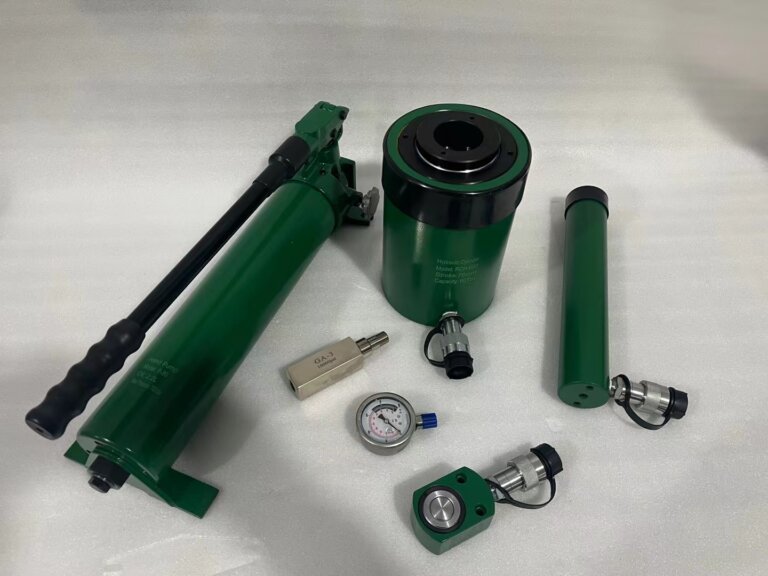
Porta power kit, lyhenne sanoista kannettava power kit, on monipuolinen hydraulityökalusarja, jota käytetään yleisesti raskaassa käytössä, kuten autokorjauksessa, kehon työ, rakentaminen, ja monia muita tehtäviä, jotka vaativat hallittua hydraulivoimaa. Sarja sisältää tyypillisesti hydraulisylinterit, käsipumppu, letkut, erilaisia liitteitä, ja tarvikkeet. Porta-virtasarjat tunnetaan siirrettävyydestään, helppokäyttöisyys, ja kyky tarjota hydraulivoimaa ahtaissa tiloissa.
Porta Power Kitin osat:
Hydraulipumppu:
Käsipumppu on manuaalinen hydraulipumppu, joka paineistaa hydraulinesteen luoden hydraulisylinterien toimintaan tarvittavan voiman. Sitä käytetään tyypillisesti käsin ja se tarjoaa kannettavan virtalähteen.
Hydraulisylinterit:
Portan tehosarjat sisältävät erikokoisia ja -kokoonpanoisia hydraulisylintereitä. Näitä sylintereitä voidaan käyttää työntämiseen, vetämällä, nosto, taivutus, tai levittää sovelluksia. Yleisiä tyyppejä ovat yksi- ja kaksitoimiset sylinterit.
Ram Liitteet:
Sarjan mukana voi tulla erilaisia lisälaitteita tai mäntiä, jotka voidaan liittää hydraulisylintereihin. Nämä lisälaitteet vaihtelevat suunnittelultaan ja toiminnaltaan, mahdollistaen laajan valikoiman sovelluksia.
Letkut:
Mukana on korkeapaineiset hydrauliletkut hydraulipumpun kytkemiseksi sylintereihin. Letkut ovat joustavia ja niiden avulla käyttäjä voi sijoittaa sylinterit eri suuntiin.
Liittimet ja liittimet:
Mukana on liittimet ja liittimet hydraulipumpun välisten liitäntöjen varmistamiseksi, letkut, ja sylinterit. Ne takaavat turvallisen ja vuotamattoman hydraulijärjestelmän.
Painemittari:
Jotkut porta-virtasarjat sisältävät painemittarin hydraulipaineen mittaamiseksi. Tämä auttaa kuljettajia hallitsemaan ja valvomaan eri tehtävien aikana käytettyä voimaa.
Kantolaukku:
Monissa porta-virtapakkauksissa on tukeva kantolaukku tai laatikko kätevää säilytystä ja kuljetusta varten. Kotelo auttaa pitämään komponentit järjestyksessä ja suojattuina.
Porta Power Kittien yleiset sovellukset:
Autojen korjaus:
Porta-tehosarjoja käytetään usein autokorjauksessa esimerkiksi runkojen oikaisemiseen, metallin taivutus, tai kohdistamalla komponentteja.
Body Work:
Auto- ja törmäyskorjausteollisuudessa, porta-virtasarjoja käytetään esimerkiksi kolhujen poistamiseen, paneelien kohdistaminen, tai korin suoristaminen.
Rakentaminen:
Porta-virtasarjat ovat hyödyllisiä rakentamisessa esimerkiksi raskaiden esineiden nostamiseen, rakenteiden kohdistaminen, tai ohjatun voiman tuottaminen ahtaissa tiloissa.
Teollinen huolto:
Huolto- ja korjaustyöt erilaisissa teollisuusympäristöissä sisältävät usein porta-virtasarjojen käytön esimerkiksi nostokoneiden kaltaisissa tehtävissä., laitteiden kohdistus, tai käyttää voimaa tarvittaessa.
Pelastustoimet:
Porta-tehosarjoja voidaan käyttää hätä- ja pelastusoperaatioissa raskaiden esineiden nostamiseen tai siirtämiseen, luoda aukkoja, tai vakauttaa rakenteita.
Yleinen materiaalinkäsittely:
Nämä sarjat ovat monipuolisia työkaluja yleisiin materiaalinkäsittelytehtäviin, kuten työntäminen, vetämällä, nosto, tai taivuttamalla erilaisia materiaaleja.
Huomioitavaa Porta Power Kit -sarjan käytössä:
Oikea koulutus:
Käyttäjien tulee olla asianmukaisesti koulutettuja porta-virtasarjojen käyttöön turvallisen ja tehokkaan toiminnan varmistamiseksi.
Paineensäätö:
Hydraulisen paineen huolellinen hallinta on välttämätöntä laitevaurioiden tai henkilövahinkojen estämiseksi.
Oikean liitteen valinta:
Asianmukaisten liitteiden käyttö käsillä olevaan tehtävään on ratkaisevan tärkeää haluttujen tulosten saavuttamiseksi.
Turvatoimet:
Noudata turvallisuusohjeita ja käytä asianmukaisia henkilökohtaisia suojavarusteita (PPE) kun käytät porta-virtapaketteja.
Porta-voimasarjat ovat arvokkaita työkaluja sovelluksissa, joissa hydraulista voimaa on kohdistettava hallitusti ja kannettavalla tavalla. Niiden monipuolisuus ja helppokäyttöisyys tekevät niistä välttämättömiä erilaisissa tehtävissä eri toimialoilla.
Mikä on hydraulinen käsipumppu? Mikä on hydraulinen sähköpumppu? Kuinka käyttää niitä? Ja miten valita?
Hydraulinen käsipumppu:
Hydraulinen käsipumppu on käsikäyttöinen pumppu, joka on suunniteltu tuottamaan hydraulista painetta käsin. Sitä käytetään yleisesti hydraulijärjestelmissä, joissa tarvitaan kannettava ja manuaalisesti ohjattava virtalähde. Hydraulisia käsipumppuja käytetään usein sovelluksissa, kuten hydraulinostureissa, puristimia, ja monet muut työkalut, jotka vaativat hallittua hydraulivoimaa.
Kuinka käyttää hydraulista käsipumppua?
Aseta pumppu paikalleen:
Aseta hydraulinen käsipumppu vakaaseen asentoon, varmistaa, että se on tukevasti ankkuroitu tai kiinnitetty hydraulijärjestelmään.
Liitä letkut:
Kiinnitä hydrauliletkut pumpun tulo- ja ulostuloportteihin. Varmista asianmukaiset liitännät vuotojen välttämiseksi.
Täytä pumppu (tarvittaessa):
Jos hydraulijärjestelmä vaatii esitäyttöä, noudata valmistajan ohjeita täyttääksesi pumppu ja hydrauliletkut nesteellä.
Käytä pumpun vipua:
Pumppaa vipu ylös ja alas. Jokainen vivun isku paineistaa hydraulinesteen, paineistetun nesteen virtauksen luominen kytkettyihin hydraulikomponentteihin.
Tarkkaile painetta ja nestevirtausta:
Sovelluksesta riippuen, tarkkaile painetta mittarilla (jos saatavilla) ja varmista, että neste virtaa tarkoitetulla tavalla.
Lopeta pumppaus:
Stop pumping once the desired pressure or fluid flow is achieved. Some hydraulic hand pumps may have a release valve to reduce pressure.
Secure Connections:
Carefully disconnect hoses, and secure all connections to prevent leaks.
Hydraulic Electric Pump:
A hydraulic electric pump is a pump powered by an electric motor to generate hydraulic pressure. These pumps are commonly used in applications where continuous and automated hydraulic power is required. Hydraulic electric pumps are versatile and find use in various industrial settings for tasks such as lifting, painamalla, taivutus, ja enemmän.
How to Use a Hydraulic Electric Pump:
Power Connection:
Connect the hydraulic electric pump to a power source using the appropriate power cord or connection. Ensure that the power supply matches the pump’s requirements.
Liitä letkut:
Kiinnitä hydrauliletkut pumpun tulo- ja ulostuloportteihin. Varmista asianmukaiset liitännät vuotojen välttämiseksi.
Täytä pumppu (tarvittaessa):
Jotkin hydrauliset sähköpumput saattavat vaatia esitäyttöä sen varmistamiseksi, että pumppu ja hydrauliletkut ovat täytetty nesteellä ennen käyttöä.
Kytke pumppu päälle:
Kytke sähköpumppu päälle ohjauspaneelista, kytkin, tai kaukosäätimellä, riippuen pumpun rakenteesta.
Monitorin toiminta:
Tarkkaile pumpun toimintaa, mukaan lukien paine, virtausnopeus, ja kaikki turvaominaisuudet. Monissa hydraulisissa sähköpumpuissa on sisäänrakennetut säätimet ja ilmaisimet.
Lopeta toiminta:
Sammuta sähköpumppu, kun haluttu paine on saavutettu, virtausnopeus, tai tehtävä on suoritettu.
Katkaise virta:
Irrota pumppu virtalähteestä, kun olet valmis. Noudata asianmukaisia turvatoimenpiteitä sähkövaaran välttämiseksi.
Kuinka valita pumppu?
Sovellus:
Harkitse tiettyä sovellusta, johon tarvitset pumppua, nostaako se, painamalla, tai muut hydrauliset tehtävät.
Virtausnopeus ja paine:
Määritä sovelluksellesi tarvittava virtausnopeus ja paine. Erilaiset pumput on suunniteltu vaihteleville virtaus- ja painetasoille.
Virtalähde:
Valitse hydraulisen käsipumpun tai hydraulisen sähköpumpun välillä virtalähteen saatavuuden mukaan, siirrettävyyden tarve, ja käyttötiheys.
Nesteen yhteensopivuus:
Varmista, että pumppu on yhteensopiva käyttämäsi hydraulinesteen kanssa.
Ympäristö:
Harkitse toimintaympäristöä. Esimerkiksi, jos pumppu on upotettava, upotettava sähköpumppu voi olla sopiva.
Huolto:
Arvioi pumpun huoltovaatimukset. Jotkut pumput saattavat vaatia useammin huoltoa, kun taas toiset on suunniteltu pitkäaikaiseen luotettavuuteen minimaalisella huollolla.
Maksaa:
Vertaa alkukustannuksia, käyttökustannukset, ja erilaisten pumppuvaihtoehtojen ylläpitokustannukset kustannustehokkaan ratkaisun valitsemiseksi.
Brändin maine:
Ota huomioon pumpun valmistajan maine. Vakiintuneet ja hyvämaineiset tuotemerkit tarjoavat usein korkealaatuisempia ja luotettavampia pumppuja.
Käyttäjäystävälliset ominaisuudet:
Etsi ominaisuuksia, kuten helppoja säätimiä, sisäänrakennetut turvaominaisuudet, ja käyttäjäystävälliset mallit, jotka vastaavat mieltymyksiäsi ja taitotasoasi.
Melutaso:
Ota huomioon pumpun tuottama melutaso, varsinkin jos sitä käytetään asuinympäristöissä tai meluherkissä ympäristöissä.
Arvioimalla huolellisesti erityistarpeesi ja ottamalla huomioon yllä mainitut tekijät, voit valita oikean hydraulipumpun – olipa kyseessä käsipumppu tai sähköpumppu – aiottuun sovellukseesi.
Mikä on hydraulinen pannukakkusylinteri?
Hydraulinen pannukakkusylinteri on tietyntyyppinen hydraulinen toimilaite, jossa on litteä, levymäinen muotoilu. Kuten sen pneumaattinen vastine, hydrauliselle pannukakkusylinterille on ominaista sen kompakti, matalaprofiilinen muoto, joten se sopii hyvin sovelluksiin, joissa tilaa on rajoitetusti. Nämä sylinterit toimivat hydraulinesteellä (yleensä öljyä) tuottaa lineaarista liikettä tai voimaa.
Hydraulisten pannukakkusylinterien tärkeimmät ominaisuudet
Litteä profiili: Pannukakkusylinterissä on litistetty, levyn muotoinen profiili, erottaa sen perinteisistä sylinterimäisistä hydraulisylintereistä. Tämä rakenne mahdollistaa asennuksen ahtaisiin tiloihin ja sovelluksiin, joissa on korkeusrajoituksia.
Lyhyt iskun pituus: Tyypillisesti, Hydrauliset pannukakkusylinterit on suunniteltu lyhyemmille iskunpituuksille verrattuna tavallisiin hydraulisylintereihin. Iskunpituus tarkoittaa matkaa, jonka mäntä kulkee sylinterin sisällä.
Kompakti koko: Litteä muotoilu edistää kompaktia kokonaiskokoa, hydraulisten pannukakkusylintereiden valmistaminen asennettavaksi koneisiin tai järjestelmiin, joissa on rajoitetusti tilaa.
Hydraulinen toiminta: Näissä sylintereissä käytetään hydraulinestettä (kuten öljyä) työvälineenä. Hydraulineste paineistetaan synnyttämään voimaa tai liikettä männässä.
Sovellukset: Hydrauliset pannukakkusylinterit löytävät sovelluksia useilla teollisuudenaloilla, valmistus mukaan lukien, automaatio, ja koneita. Niitä käytetään usein skenaarioissa, joissa lyhyempi iskunpituus riittää, ja kompakti muotoilu on välttämätöntä.
Pakota ulostulo: Vaikka pannukakkusylinterit tunnetaan tilatehokkuudestaan, niiden voimantuotto voi olla rajoitettu suurempiin hydraulisylintereihin verrattuna. Tehon määräävät tekijät, kuten sylinterin koko, paine, ja männän alue.
Materiaalit: Hydrauliset pannukakkusylinterit valmistetaan tyypillisesti hydraulisovelluksiin sopivista materiaaleista, varmistaa kestävyyden ja hydraulinesteen kestävyyden.
Näitä sylintereitä arvostetaan niiden kyvystä tarjota hydraulinen käyttö sovelluksissa, joissa perinteiset sylinterimäiset sylinterit eivät ehkä ole käytännöllisiä tilarajoitusten vuoksi. Hydraulisen pannukakkusylinterin valintaan vaikuttavat mm. käytettävissä oleva tila, voimavaatimukset, ja sovelluksen erityistarpeet.
Yhteenvetona, hydraulinen pannukakkusylinteri on hydraulinen toimilaite, jossa on litteä, levymäinen muotoilu, tarjoaa kompaktin ratkaisun sovelluksiin, joissa on rajoitetusti tilaa tai jotka vaativat lyhyempää iskunpituutta.
Erot alumiinisen hydraulisylinterin ja normaalin hydraulisylinterin välillä:
Erot hydraulisylinterien ja normaalien hydraulisylinterien välillä:
Paino:
Alumiininen hydraulisylinteri: Alumiini on kevyt materiaali, joten alumiiniset hydraulisylinterit ovat yleensä kevyempiä kuin vastaavat materiaalit, kuten teräs.
Normaali hydraulisylinteri: Teräksestä tai muista materiaaleista valmistetut sylinterit voivat olla painavampia, erityisesti raskaassa käytössä olevissa sovelluksissa.
Korroosionkestävyys:
Alumiininen hydraulisylinteri: Alumiinilla on luonnollinen korroosionkestävyys, alumiinisylintereiden tekeminen sovelluksiin, joissa altistuminen syövyttäville ympäristöille on huolenaihe.
Normaali hydraulisylinteri: Materiaalit, kuten teräs, saattavat vaatia lisäpinnoitteita tai -käsittelyjä korroosionkestävyyden parantamiseksi.
Lämmön hajoaminen:
Alumiininen hydraulisylinteri: Alumiinilla on hyvä lämmönjohtavuus, mahdollistaa tehokkaan lämmönpoiston. Tämä ominaisuus voi olla edullinen sovelluksissa, joissa lämmön kertymistä on hallittava.
Normaali hydraulisylinteri: Lämmönpoisto-ominaisuudet voivat vaihdella käytetyn materiaalin mukaan.
Vahvuus:
Alumiininen hydraulisylinteri: Vaikka alumiini on kevyttä, sillä ei välttämättä ole samaa lujuutta kuin joillakin muilla materiaaleilla, kuten teräksellä. kuitenkin, alumiiniseosten kehitys on johtanut erittäin lujiin vaihtoehtoihin.
Normaali hydraulisylinteri: Materiaalit, kuten teräs, tunnetaan vahvuudestaan, joten ne sopivat raskaaseen käyttöön.
Maksaa:
Alumiininen hydraulisylinteri: Alumiinisten hydraulisylinterien valmistuskustannukset voivat olla alhaisemmat kuin joidenkin materiaalien, tehdä niistä kustannustehokkaita.
Normaali hydraulisylinteri: Hinta voi vaihdella käytetyn materiaalin ja sovelluksen erityisvaatimusten mukaan.
Valinta alumiinisen hydraulisylinterin ja a “normaali” hydraulisylinteri (tyypillisesti valmistettu materiaaleista, kuten teräksestä) riippuu sovelluksen erityistarpeista. Alumiinisylintereitä suositaan sovelluksissa, joissa paino on suuri, korroosionkestävyys, ja lämmönjohtavuus ovat kriittisiä näkökohtia.
Mikä on hydraulinen vetosylinteri ja miten sitä käytetään?
Hydraulinen vetosylinteri, tunnetaan myös hydraulisena vedin tai hydraulisylinterinä, on erikoistunut hydraulinen työkalu, joka on suunniteltu komponenttien, kuten laakereiden, vetämiseen tai poistamiseen, vaihteet, holkit, tai hihnapyörät akseleista, keskittimet, tai muita osia. Nämä sylinterit käyttävät hydraulista voimaa ohjatun vetoliikkeen toteuttamiseen, tekevät niistä hyödyllisiä sovelluksissa, joissa komponentit on asennettu tiukasti tai puristussovitettuja ja ne on poistettava vahingoittamatta.
Hydraulisten vetosylinterien tärkeimmät ominaisuudet:
Hydraulinen käyttö: Hydrauliset vetosylinterit toimivat hydraulinesteen paineen periaatteella. Kun sylinteriin kohdistetaan hydraulipainetta, se tuottaa vetovoiman, jota voidaan käyttää komponenttien poistamiseen tai vetämiseen.
Hallittu voimasovellus: Yksi hydraulisten vetosylinterien tärkeimmistä eduista on niiden kyky käyttää hallittua ja tarkkaa vetovoimaa. Tämä ohjaus auttaa estämään sekä vedettävän osan että ympäröivän koneiston vahingoittumisen.
Yksi- tai kaksitoiminen: Hydrauliset vetimet voivat olla joko yksi- tai kaksitoimisia. Yksitoimiset sylinterit kohdistavat voimaa yhteen suuntaan ja luottavat ulkoiseen voimaan (esim., jousi tai käsityö) paluuiskulle. Kaksitoimisissa sylintereissä käytetään hydraulista painetta sekä ulos- että sisäänvetoon.
Monipuolisuus: Hydraulisia vetosylintereitä on eri malleja ja kokoja, mahdollistaa monipuolisuuden erilaisissa sovelluksissa. Ne voidaan varustaa ominaisuuksilla, kuten säädettävillä leuoilla, jatkotangot, tai modulaarisia kokoonpanoja erityistarpeiden mukaan.
Hydraulisen vetosylinterin käyttäminen:
Valmistelu:
Varmista, että hydraulinen vedin ja siihen liittyvät laitteet ovat hyvässä kunnossa.
Valitse tiettyyn käyttötarkoitukseen sopivan kokoinen ja tyyppinen vetolisälaite tai -leuat.
Liite:
Kiinnitä hydraulinen vedin irrotettavaan komponenttiin, varmistamalla, että vetoleuat pitävät osasta tukevasti kiinni. Leuat voivat olla säädettävissä eri kokoja varten.
Paikannus:
Sijoita hydraulinen vedin ja osat siten, että se mahdollistaa suoran ja kontrolloidun vetoliikkeen.
Liitä hydrauliletkut:
Liitä hydrauliletkut hydraulipumpusta hydraulivetimeen. Varmista, että liitännät ovat kunnolla kiinni.
Hydraulisen paineen käyttäminen:
Käynnistä hydraulipumppu kohdistaaksesi painetta hydraulisen vedinsylinteriin. Kun hydraulinen paine kasvaa, sylinteri kohdistaa vetovoiman kiinnitettyyn komponenttiin.
Valvonta ja säätö:
Seuraa vetotoiminnon edistymistä. Tarvittaessa, säädä hydraulisen ulosvetimen asentoa tai suuntausta optimaalisen voiman kohdistamiseksi.
Komponenttien uuttaminen:
Kun hydraulinen vedin käyttää voimaa, tiukasti asennetun osan tulee vähitellen alkaa liikkua tai se irtoaa kokonaan akselista, keskitin, tai muita osia.
Vapauta paine:
Kun vetotoiminto on valmis, vapauta hydraulipaine ja irrota hydrauliletkut.
Toista tai siirry seuraavaan komponenttiin:
Jos useita komponentteja on poistettava, toista prosessi jokaiselle. Muuten, pura hydraulinen vedin säilytystä varten.
Turvallisuusnäkökohdat:
Noudata aina valmistajan ohjeita ja turvallisuussuosituksia käytettävän hydraulisen vedin osalta.
Käytä asianmukaisia henkilökohtaisia suojavarusteita, mukaan lukien suojalasit ja käsineet.
Varmista oikea kohdistus ja asento, jotta komponentit tai hydraulinen ulosvetäjä eivät vaurioidu.
Käytä hydraulipumppua, jonka painekapasiteetti on oikea hydraulivetimelle.
Noudattamalla näitä ohjeita ja noudattamalla turvallisuusohjeita, käyttäjät voivat tehokkaasti ja turvallisesti käyttää hydraulisilla vetosylintereillä puristettuja komponentteja eri teollisissa sovelluksissa.
Mikä on tuotantohydrauliikkasylinteri?
Tuotanto hydraulisylinteri, jota usein kutsutaan teolliseksi hydraulisylinteriksi, on eräänlainen hydraulinen toimilaite, joka on suunniteltu käytettäväksi tuotanto- ja valmistusprosesseissa. Näillä sylintereillä on keskeinen rooli erilaisissa teollisissa sovelluksissa, joissa liikkumiseen tarvitaan hallittua lineaarista voimaa, asema, tai käsitellä komponentteja osana tuotantolinjaa tai valmistusjärjestelmää.
LONGLOOD-tuotantohydraulisylinterien tärkeimmät ominaisuudet:
Raskaaseen käyttöön: Tuotantohydrauliikkasylinterit on tyypillisesti rakennettu kestävistä materiaaleista ja rakenteesta kestämään teollisen tuotantoympäristön ankaria vaatimuksia..
Korkean syklin suorituskyky: Nämä sylinterit on suunniteltu kestämään jatkuvaa käyttöä, tekee niistä sopivia sovelluksiin, joissa korkean syklin suorituskyky on välttämätöntä, kuten jatkuvissa valmistusprosesseissa.
Tarkkuus ja hallinta: Tuotantohydrauliikkasylinterit tarjoavat tarkan lineaarisen liikkeen hallinnan, mahdollistaa komponenttien tai työkalujen tarkan paikantamisen valmistusprosessissa.
Monipuolisuus: Nämä sylinterit ovat monipuolisia ja ne voidaan mukauttaa erilaisiin valmistustehtäviin, mukaan lukien nosto, painamalla, kiinnitys, työntämällä, tai vetämällä, riippuen tuotantolinjan erityisvaatimuksista.
Asennuskokoonpanot: Tuotantohydrauliikkasylinterit on suunniteltu erilaisilla asennuskokoonpanoilla helpottamaan integrointia koneisiin ja tuotantojärjestelmiin. Tämä voi sisältää kauluslangat, pohjassa kierrereiät, männän pään kierteet, ja erilaisia kiinnitysvaihtoehtoja, kuten jalkakiinnikkeet, laippakiinnikkeet, kiinnitysmutterit, ja clevis silmät.
Tiivistys ja voitelu: Erityistä huomiota kiinnitetään tiivistysmekanismeihin hydraulinesteen vuotojen estämiseksi ja tehokkaan toiminnan varmistamiseksi. Voitelu on usein sisällytetty vähentämään kitkaa ja kulumista, edistää sylinterin pitkäikäisyyttä.
Yhteensopivuus hydraulijärjestelmien kanssa: Nämä sylinterit ovat yhteensopivia hydraulijärjestelmien kanssa, jotka sisältävät hydraulipumput, venttiilit, ja letkut. Integraatio mahdollistaa keskitetyn ohjauksen ja automaation tuotantoprosesseissa.
Kuinka käyttää tuotantohydraulisylinteriä?
Valmistelu:
Varmista, että hydraulisylinteri ja siihen liittyvät laitteet ovat hyvässä kunnossa.
Valitse käyttötarkoitukseen sopiva hydraulisylinterin koko ja tyyppi.
Asennus:
Asenna hydraulisylinteri tukevasti haluttuun asentoon the koneista tai tuotantojärjestelmästä.
Liitä hydrauliletkut:
Liitä hydrauliletkut hydraulipumpusta hydraulisylinteriin. Varmista, että liitännät ovat kunnolla kiinni.
Paikannus:
Sijoita tuotantohydrauliikkasylinteri ja komponentit tavalla, joka mahdollistaa suoran ja kontrolloidun lineaarisen liikkeen.
Hydraulisen paineen käyttäminen:
Käynnistä hydraulipumppu paineen kohdistamiseksi hydraulisylinteriin. Kun hydraulinen paine kasvaa, sylinteri ulottuu tai vetäytyy sisään, riippuen sen suunnittelusta ja sovelluksesta.
Valvonta ja säätö:
Tarkkaile hydraulisylinterin liikettä ja komponentteja, joiden kanssa se on vuorovaikutuksessa. Tarvittaessa, säädä painetta tai asentoa optimaalisen suorituskyvyn saavuttamiseksi.
Komponenttien käsittely:
Käytä hydraulisylinteriä osien käsittelemiseen tai sijoittamiseen tuotantoprosessin vaatimusten mukaisesti. Tämä voi sisältää nostamisen, painamalla, kiinnitys, työntämällä, tai vetotehtäviä.
Vapauta paine:
Kun haluttu toimenpide on suoritettu, vapauta hydraulipaine ja irrota hydrauliletkut.
Toista tai siirry seuraavaan toimintoon:
Jos tarvitaan useita operaatioita, toista prosessi jokaiselle. Muuten, valmistele hydraulisylinteri seuraavaa tuotantotehtävää varten.
Turvallisuusnäkökohdat:
Noudata aina LONGLOODIN ohjeita ja turvallisuussuosituksia käytettävän tuotantohydrauliikkasylinterin osalta.
Käytä asianmukaisia henkilökohtaisia suojavarusteita, mukaan lukien suojalasit ja käsineet.
Varmista oikea kohdistus ja asento, jotta komponentit tai hydraulisylinterit eivät vaurioidu.
Käytä hydraulipumppua, jonka painekapasiteetti on oikea hydraulisylinterille.
Noudattamalla näitä ohjeita ja noudattamalla turvallisuusohjeita, kuljettajat voivat käyttää tuotantohydrauliikkasylintereitä tehokkaasti ja turvallisesti erilaisiin tehtäviin teollisessa tuotannossa ja valmistuksessa.
What Is Single-Acting Hollow Plunger Hydraulic Cylinder?
A Single-Acting Hollow Plunger Hydraulic Cylinder is a type of hydraulic actuator designed for specific applications where the cylinder needs to both push and pull loads, and there is a need for a hollow plunger. This type of hydraulic cylinder is classified as “yksitoiminen” because hydraulic pressure is applied only in one direction, typically for extending the plunger. The return stroke, or retraction of the plunger, is achieved by an external force such as a spring or the load itself.
Here are some key features of LONGLOOD Single-Acting Hollow Plunger Hydraulic Cylinder:
Hollow Plunger Design:
The plunger, or rod, of the hydraulic cylinder has a hollow interior. This design allows the cylinder to be used for applications where the cylinder needs to both push and pull, and where the hollow space can accommodate a rod or cable to perform pulling tasks.
Hydraulic Force Application:
Männän toiselle puolelle kohdistetaan hydraulipainetta, jolloin mäntä laajenee. This hydraulic force is used to push against or lift a load.
Spring or Load Return:
The retraction of the plunger (return stroke) is typically achieved by an external force, such as a spring integrated into the cylinder or the weight of the load itself. This design simplifies the hydraulic system and reduces the need for additional hydraulic components.
Single-Acting Operation:
As mentioned, the hydraulic pressure is applied only in one direction, making it a single-acting cylinder. The other direction of movement relies on an external force.
Sovellukset:
Pulling Tasks: Ontto männän rakenne on erityisen hyödyllinen sovelluksissa, joissa tarvitaan vetotehtäviä, kuten kaapelin tai tangon kiristys, laakereiden poistaminen, tai mikä tahansa tehtävä, jossa tangon tai kaapelin täytyy kulkea männän läpi.
Rajoitettu tila: Ontto mäntärakenne on hyödyllinen tilanteissa, joissa tilaa on rajoitetusti, ja teleskooppinen tai muu malli ei ehkä ole sopiva.
Monipuoliset sovellukset: Soveltuu erilaisiin teollisuussovelluksiin, joissa tarvitaan työntö- ja vetovoimien yhdistelmää.
Mikä on kaksitoiminen ontto hydraulisylinteri?
Kaksitoiminen ontto hydraulisylinteri on eräänlainen hydraulinen toimilaite, joka on suunniteltu sovelluksiin, joissa vaaditaan hydraulista voimaa sekä ulos- että sisäänvetämisessä, ja siinä on ontto mäntä. Tämän tyyppistä hydraulisylinteriä harkitaan “kaksitoiminen” koska hydraulista painetta voidaan kohdistaa männän molemmille puolille, mahdollistaa ohjatun liikkeen molempiin suuntiin.
Tässä ovat LONGLOOD-kaksitoimisen onton hydraulisylinterin tärkeimmät ominaisuudet:
Hollow Plunger Design: Samanlainen kuin yksitoiminen versio, kaksitoimisessa ontossa hydraulisylinterissä on ontto mäntä tai tanko. Tämä rakenne mahdollistaa monipuolisuuden sovelluksissa, joissa tarvitaan sekä työntö- että vetovoimia, ja tanko tai kaapeli voi kulkea onton sisäosan läpi.
Hydraulivoima molempiin suuntiin: Hydraulista painetta voidaan käyttää männän kummallekin puolelle, mahdollistaa voiman synnyttämisen sekä ulos- että sisäänvetämisiskuissa. Tämä mahdollistaa hallitut ja tarkat liikkeet molempiin suuntiin.
Kaksi hydrauliporttia: Kaksitoimisissa sylintereissä on tyypillisesti kaksi hydrauliporttia, allowing hydraulic fluid to be directed into either end of the cylinder depending on the desired direction of motion.
Sovellusten monipuolisuus:
Push and Pull Tasks: Well-suited for applications that require both pushing and pulling forces, such as lifting and lowering loads, pushing or pulling objects, or tensioning cables.
Increased Control: The ability to apply hydraulic force in both directions provides more control over the movement of the cylinder, making it suitable for tasks that require precision.
Reduced External Forces: Unlike single-acting cylinders that rely on external forces (esim., springs or loads) for retraction, double-acting cylinders can use hydraulic pressure for controlled retraction.
Applications in Limited Space: Like the single-acting version, the hollow plunger design can be beneficial in applications where space is limited, ja teleskooppinen tai muu malli ei ehkä ole sopiva.


